

Most of us proudly say “I know my rights”, but when something actually goes wrong, an unfair arrest, a government delay, online abuse, or a cheating company, we suddenly don’t know what applies, who to approach, or what the law actually says.
I’m not writing this as a lawyer lecturing you.
I’m writing this as a citizen speaking to another citizen.
Because in a democracy like India, ignorance of the law doesn’t protect you, awareness does.
This article focuses on essential Indian laws every citizen should know, especially the ones that directly affect our freedom, dignity, safety, and daily life.
1. Fundamental Rights – Not Privileges, But Guarantees
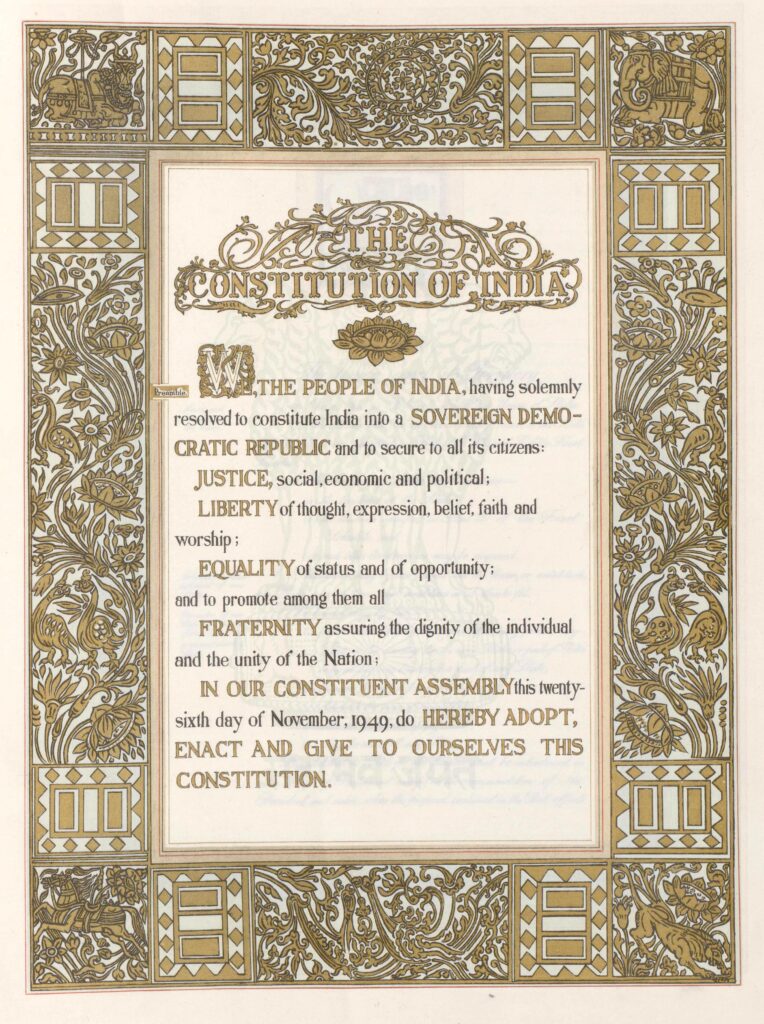
Everything begins with the Constitution of India.
These rights are not gifts from the state. They are guarantees that limit power.
What you must clearly understand:
- Right to Equality (Articles 14–18)
The law must treat everyone equally no special treatment based on caste, religion, gender, or birth. - Right to Freedom (Articles 19–22)
You have freedom of speech, expression, movement, profession and protection against arbitrary arrest. - Right Against Exploitation (Articles 23–24)
Forced labor, human trafficking, and hazardous child labor are strictly prohibited. - Right to Freedom of Religion (Articles 25–28)
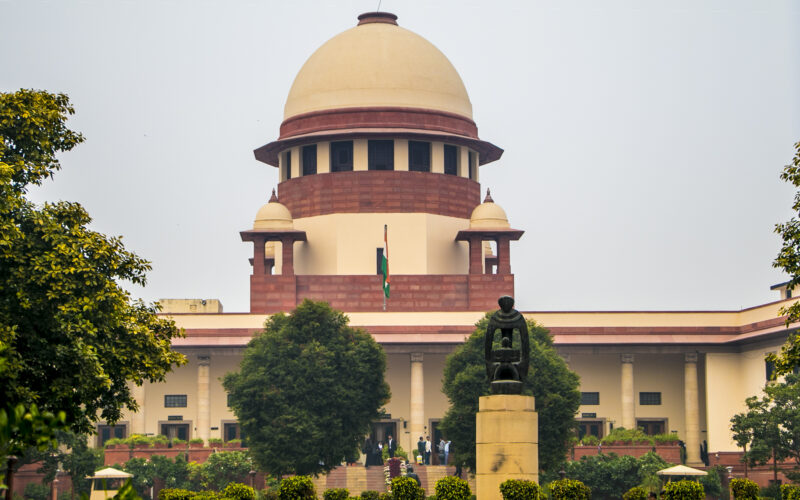
You are free to believe, practice, or not believe at all. - Right to Constitutional Remedies (Article 32)
If these rights are violated, you can directly approach the Supreme Court.
A right you don’t recognize when it’s violated is a right already lost.
Ministry of Law & Justice,India
2. Right to Information (RTI) – The Citizen’s Question Paper
The Right to Information Act, 2005 gives you one powerful ability: to ask questions of the government.
You can legally ask:
- How public money is spent
- Why a file is delayed
- What rules were followed or not followed
Authorities are required to respond within 30 days.
Silence, delay, or vague replies are not “normal” they are violations.
Central Information Commission (CIC) of India
RTI is not about harassment.
It’s about accountability.

3. Police, Arrest, and Your Legal Safeguards
Fear of police often comes from lack of knowledge.
Here’s what the law clearly says:
- Police cannot arrest you without valid grounds
- You have the right to know why you are being arrested
- You have the right to consult a lawyer
- Women cannot be arrested at night except under exceptional circumstances
- A medical examination after arrest is mandatory
Being questioned does not mean you are guilty.
Knowing this changes everything.

4. Laws Protecting Women – Safety and Dignity Are Non-Negotiable
Indian laws provides specific protections for women, including laws against:
- Domestic violence
- Sexual harassment at the workplace
- Sexual assault and acid attacks
These laws exist because equality on paper is meaningless without safety in reality.
This is not about favoring one group it is about correcting long-standing imbalance and harm.
5. Cyber Laws – Your Rights Don’t End Online
The internet is not a law-free zone.
Under the Information Technology Act, 2000:
- Cyberstalking and online harassment are crimes
- Identity theft and hacking are punishable
- Sharing private images without consent is illegal
- Online threats are taken seriously under criminal law
“It’s online” is not a defense.
National Cyber Crime Reporting Portal
Digital actions have real legal consequences.

6. Consumer Rights – You Are Not Powerless
Every time you buy a product or service, you are protected by law.
You have the right to:
- Safe and quality products
- Honest advertising
- Fair pricing
- Redressal through consumer courts
The Consumer Protection Act, 2019 exists for ordinary people not corporations.
If you stay silent, companies win.
If you complain, the law listens.

7. Freedom of Speech – Strong, But Not Absolute
Yes, you are free to speak.
No, it is not unlimited.
The law restricts speech that:
- Incites violence
- Promotes hatred
- Threatens national security
- Defames individuals
Freedom survives only when responsibility walks alongside it.

8. Fundamental Duties – Citizenship Is a Two-Way Street
Rights come with responsibility.
Under Article 51A, every citizen must:
- Respect the Constitution and national symbols
- Promote harmony and unity
- Protect the environment
- Develop a scientific temper and humanism
A democracy cannot survive on demands alone.
Indian yogi and spiritual leader Sadhguru
It survives on shared responsibility.
Conclusion
Let me leave you with this thought:
Knowing the law does not make you confrontational.
It makes you confident.
You don’t need to argue with everyone.
You just need to know where you stand.
An informed citizen is not dangerous to society
an uninformed one is.
References & Citations
Constitution of India, Part III (Fundamental Rights)
Constitution of India, Article 51A (Fundamental Duties)
Right to Information Act, 2005
Code of Criminal Procedure (CrPC)
Information Technology Act, 2000
Ministry of Law & Justice Portal – Government of India
RTI- Right to Information Portal-India