
When Andhra Pradesh lost Hyderabad in 2014, what did you think would happen next.
If you are like most people, you probably assumed the state would struggle for years. Hyderabad was the economic engine, the IT brand, the global address. Losing it felt like losing the heart of the economy.
But over the last decade, something interesting unfolded. Andhra did not chase sympathy. It did not wait for miracles. Instead, it quietly rebuilt its economic story from the ground up.
And that is what I want to walk you through.
Losing Hyderabad Was Painful But It Also Removed Comfort
Let us be clear. Losing Hyderabad was a massive shock for Andhra Pradesh.
- Revenue concentration vanished overnight.
- Global visibility disappeared.
- The safety net was gone.
But here is the part we do not talk about enough.
Hyderabad had also made the undivided state comfortable.
Once it was gone, Andhra had no option but to ask difficult questions. Where will growth come from now. How do we attract investors without a superstar city. What do we actually do better than others.
Those questions forced clarity.
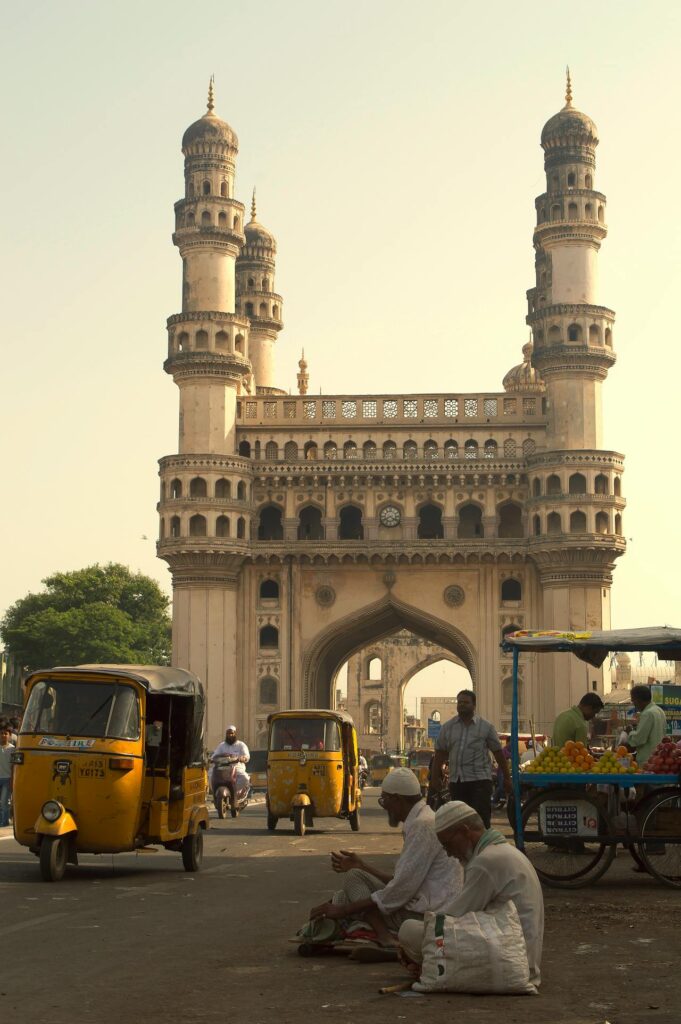
Instead of One Big Bet Andhra Made Many Small Smart Ones
Rather than putting all hopes into building another mega city, Andhra chose a different path.
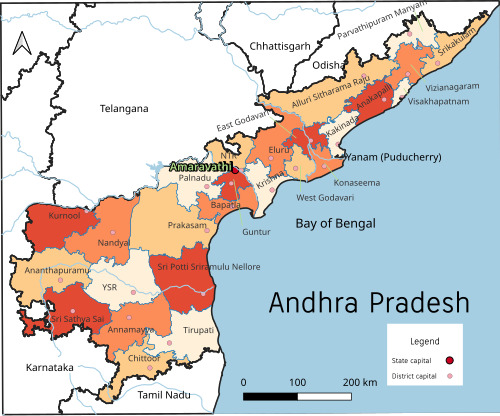
It spread growth across regions, each with a clear economic purpose.
- Visakhapatnam grew as a port driven IT and services city.
- Sri City became a magnet for manufacturing and exports.
- Tirupati strengthened its electronics and precision manufacturing base.
- Kakinada expanded its role in energy and port led industries.
- Amaravati focused on governance and long term institutional planning.
As a reader, pause here for a moment.
This is not accidental growth. This is deliberate decentralization.
For investors, this meant choice. For the state, it meant resilience.
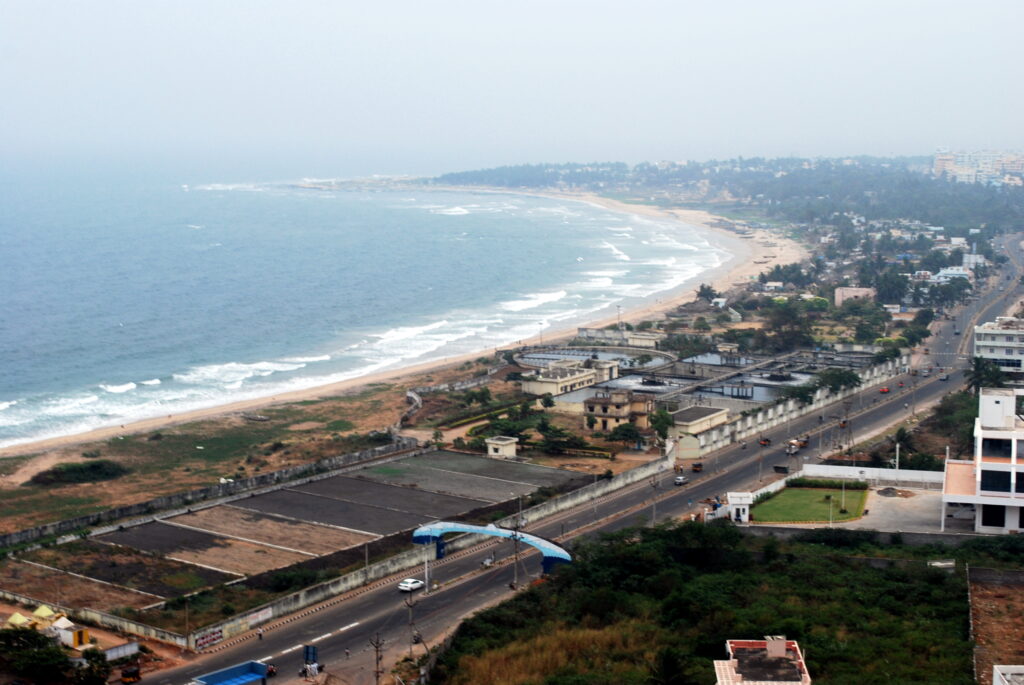
Geography Stopped Being a Background Detail and Became the Strategy
One thing Andhra always had was coastline.
For years it was underutilized. After bifurcation, it became central to economic thinking.
With nearly a thousand kilometers of coast, Andhra leaned into port led development.
- Ports were not just infrastructure projects anymore.
- They became anchors for industries.
- They reduced logistics costs.
- They connected factories directly to global markets.
This single shift made Andhra extremely attractive for export-focused manufacturing.
Sometimes, the advantage is not about creating something new. It is about finally using what you already have.
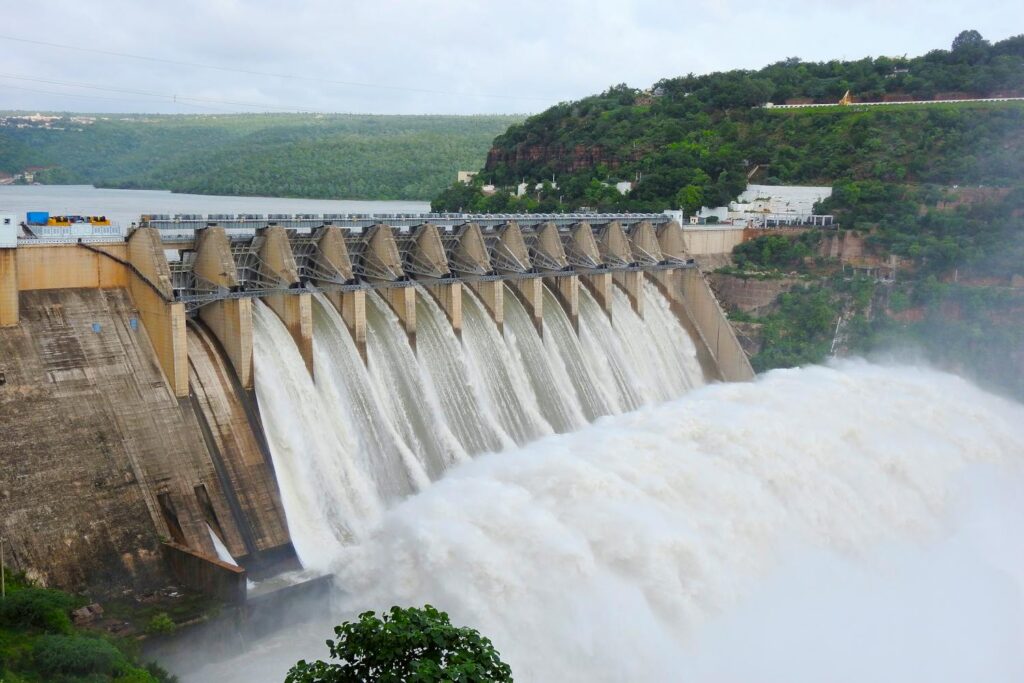
Ease of Doing Business Was Treated Like a Survival Skill
Here is something investors rarely say publicly but always discuss privately.
Policies are useless if files move slowly.
Andhra understood this early.
Instead of flashy announcements, the state focused on process.
- Clear timelines
- Single desk approvals
- Digitized systems
- Reduced physical interference
The message to investors was simple.
We may not have Hyderabad, but we will not waste your time.
In today’s competitive investment environment, that message carries serious weight.

Andhra Chose Manufacturing Because It Wanted Commitment Not Headlines
Instead of chasing quick wins in service sector branding, Andhra doubled down on manufacturing.
- Electronics
- Automobiles and EV supply chains
- Renewable energy
- Food processing
- Heavy industries
Manufacturing does something important.
It forces commitment.
Factories mean land, supply chains, local hiring, and long term presence. Once set up, companies do not leave easily.
This created real jobs, especially beyond major cities, and built ecosystems rather than isolated success stories.

Talent Did Not Vanish When Hyderabad Left
There is a myth that Andhra lost its talent pool after bifurcation.
That is simply not true.
Engineering colleges, universities, and technical institutions across the state continued producing skilled graduates every year.
- Lower cost of living improved retention.
- Local hiring reduced recruitment friction.
- Skill development aligned with manufacturing needs.
For companies, this translated into stable workforce economics.
Talent does not follow cities. It follows opportunity.
Political Changes Created Noise But Not Policy Collapse
Yes, Andhra has experienced political transitions. Capital debates added uncertainty.
But investors watched something more important than headlines.
- Existing investments were respected
- Industrial policies showed continuity
- Incentives were not arbitrarily reversed
In a country like India, consistency often matters more than perfection.
Andhra delivered enough predictability to maintain investor trust.

What Andhra Quietly Proved to the Rest of India
Here is the bigger takeaway.
A state does not need one dominant metro to grow.
It needs clarity, execution, and a willingness to play to its strengths.
Andhra’s journey shows that distributed growth, manufacturing focus, port connectivity, and administrative speed can create a powerful investment ecosystem.
This is not a backup model.
It is a future ready one.
Andhra Pradesh did not rebuild itself by trying to become what it lost.
It rebuilt itself by becoming something new.
- Less flashy.
- More grounded.
- More diversified.
That is why investors are watching. And that is why this story deserves attention.
Sometimes losing your biggest asset forces you to discover your real strengths.
References and Sources
Government of Andhra Pradesh Industrial and Investment Policy Documents
Department for Promotion of Industry and Internal Trade State Rankings and Reports
Invest India Andhra Pradesh State Investment Profile
Government of Andhra Pradesh -Official Portal