

Introduction

QR Codes have become a part of our everyday life. From digital payments to website logins, they are used almost everywhere. As their usage grows, it is equally important to understand how they work and the cyber threats associated with them—so we can stay safe in the digital world.
QR Codes are often seen as an advanced version of barcodes. While traditional barcodes store data horizontally and are limited in capacity, QR Codes can store a much larger amount of information in both horizontal and vertical formats.
Barcode vs QR Code
- Barcode capacity: Up to 43 characters
(Alphabets, numbers, and a few symbols like- . , $ % * /and space) - QR Code capacity: Up to 7,089 characters
(Alphabets, numbers, symbols, binary data, and multiple language characters)
This higher storage capacity makes QR Codes far more flexible and powerful.
What is a QR Code?
QR Code stands for Quick Response Code. It was introduced in 1994 by Masahiro Hara from the Japanese company Denso Wave.
Initially, QR Codes were developed to track vehicle components during manufacturing. Today, they are widely used for commercial, authentication, and convenience-based applications—often described as “barcodes on steroids.”
Common Uses of QR Codes
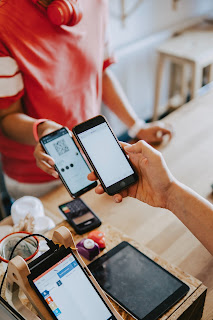
- UPI payments in India for shops, vendors, and businesses
- Wi-Fi password sharing without revealing credentials
- Website and app logins (used by WhatsApp and Telegram)
- Sharing links, PDFs, and multimedia content
- Wedding invitations, fee receipts, and certificates
- Movie tickets, hall tickets, and document verification
QR Codes simplify access while saving time and effort.
How Does a QR Scanner Work?
A QR Code contains three large square patterns at its corners. These help the scanner identify the code’s orientation.
- The scanner first detects these three squares
- Smaller squares inside help read the code even if it is rotated, folded, or partially damaged
- The remaining patterns store the actual encoded data in a non-sequential format
Once scanned, the data is decoded (often securely) and presented to the user instantly.
Types of QR Codes
There are two main types of QR Codes:
1. Static QR Code
- Contains fixed information
- Same data for everyone who scans it
- Commonly used for small UPI payments, posters, and flyers
- Cannot track location or user details
2. Dynamic QR Code
- Data can be updated or changed
- Automatically generates payment amounts (used in malls and stores)
- Can track transaction details and location
- More advanced and secure than static QR Codes
QR Codes in Daily Life
QR Codes are now embedded in:
- Official documents
- Certificates and receipts
- Educational portals
- Event passes and IDs
They offer quick access, verification, and improved security when used correctly.
Cyber Threats Associated with QR Codes
While QR Codes are convenient, they also pose cybersecurity risks:
- Fake QR Codes may redirect users to malicious or phishing websites
- Some QRs can lead to malware-infected pages
- Scammers use fake UPI QRs to trick users into sending money
- Scanning unknown QRs can compromise device security and personal data
Stay Safe
- Avoid scanning QR Codes from unknown or untrusted sources
- Always verify payment requests before approving
- Do not install apps or enter credentials after scanning random QRs
- Use trusted QR scanners with security warnings enabled
If you become a victim of online fraud, hacking, or cyber harassment, immediately report the incident through the official cybercrime portal to protect yourself and help prevent further misuse.
Final Thoughts
QR Codes have transformed digital interactions by making them faster and more convenient. However, awareness is the key to safety. Understanding how QR Codes work—and the risks involved—helps you enjoy their benefits without falling victim to cyber threats.