

Books to Fuel Your Knowledge in Astronomy
Astrophysics and Astronomy often go hand in hand, while Cosmology goes a step further—studying the universe as a whole: its origin, structure, and ultimate fate. If curiosity about the cosmos keeps you awake at night, this field might be calling you
What is Astronomy?
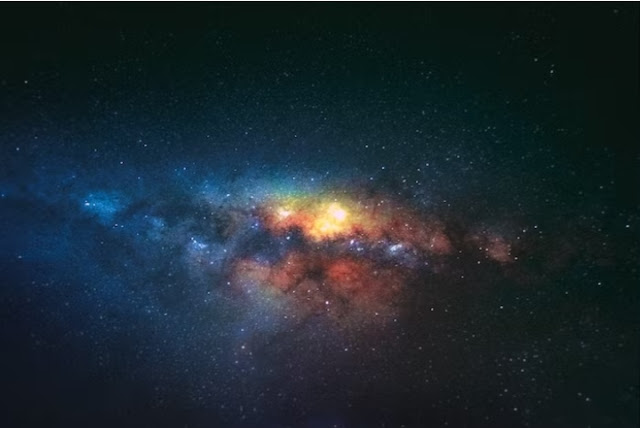
Astronomy is a universe-centric science that studies celestial bodies such as stars, planets, galaxies, asteroids, and comets. It explores their formation, evolution, motion, and possible interactions.
It is largely a research-driven career, blending observation, theory, mathematics, and physics to understand what lies beyond Earth.
Indian Astronomy: A Rich Legacy
India has one of the oldest astronomical traditions in the world. Ancient texts like Vedanga Jyotisha (circa 1500 BCE) laid early foundations for astronomical calculations, calendars, and celestial observations—long before modern telescopes existed.
Modern Astronomy
Over time, astronomy evolved from pure observation to theoretical and computational science. Today, modern astronomy relies heavily on applied physics, mathematics, and data analysis.
Two Core Aspects:
- Observational Astronomy – Using telescopes and instruments to collect data
- Theoretical Astronomy – Explaining cosmic phenomena using physical laws
Astronomy vs Astrophysics vs Cosmology
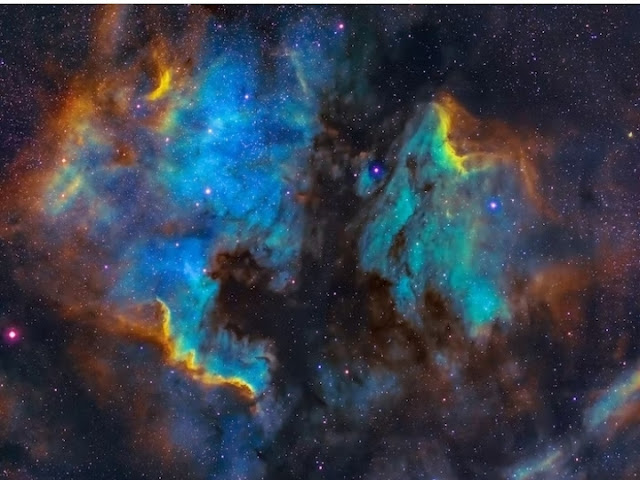
- Astronomy focuses on observing and mapping celestial objects.
- Astrophysics (a branch of astronomy) studies the physical and chemical properties of those objects.
- Cosmology examines the origin, evolution, and future of the universe itself, beyond galaxies and time scales.
The difference between Astronomy and Astrophysics is subtle—but choosing the right stream depends on your interest in observation vs explanation.
How to Become an Astronomer / Astrophysicist in India?
Step-by-Step Path:
- Class 12: Physics, Mathematics, and Chemistry are essential
- Undergraduate:
- B.Sc. in Physics / Astronomy / Mathematics
- OR B.Tech (especially Computer Science or Engineering Physics)
- Postgraduate:
- M.Sc. in Physics / Astronomy / Astrophysics
- OR M.Tech for technical pathways
- Doctorate (PhD):
- PhD in Physics / Astrophysics
- Qualify CSIR–UGC NET for research fellowships and academic roles
Curiosity matters more than certificates—but the right education gives direction to that curiosity.
Books to Fuel Your Knowledge in Astronomy
- A Brief History of Time – by Stephen Hawking
- Cosmos – by Carl Sagan
- The Cambridge Star Atlas – Wil Tirion
- The Backyard Astronomer’s Guide – Dickinson & Dyer
- Starlight Nights – Leslie C. Peltier
- Astrophysics for People in a Hurry – Neil deGrasse Tyson
Skills That Set the Stage for Astronomy
Critical Thinking
Question assumptions. Great discoveries begin by challenging existing beliefs—just as heliocentrism replaced geocentrism.
Continuous Learning
The universe never stops evolving—and neither should you.
Strong Foundation
Mastery of mathematics, physics, and basic chemistry is non-negotiable.
Complex Problem Solving
From orbital mechanics to stellar evolution, astronomy demands patience and precision.
Data Interpretation
Modern astronomy is data-heavy—statistics and analysis are core skills.
High Research Capacity
As the sky reveals more mysteries, astronomers must be ready to explore them.
Career Opportunities in Astronomy
- Astronomer
- Astrophysicist
- Research Scientist
- Research Physicist
- Astronomy Professor
- Scientific Consultant
Major Subfields of Astronomy
- Astrophysics – Physics applied to the universe
- Astrometry – Measuring and mapping celestial positions
- Astrogeology – Studying planetary rocks and terrain
- Astrobiology – Searching for life beyond Earth
Final Thought
“The thing I like about astronomy is being outside at night and seeing the stars in a dark sky. It makes you feel small.”
— Jimmy Walker
Survival isn’t about being fearless—it’s about choosing to move forward despite the fear.
Dear future astronomers—look up. The universe is waiting.