If you’ve ever thought “A startup is just a modern word for a small business”, you’re not alone.
We hear this confusion everywhere from students, first-time entrepreneurs, even working professionals.
Because choosing the wrong label doesn’t just confuse others, it can block opportunities, benefits, and growth paths for you.
A startup, an MSME, and a small business are not the same thing.
They may overlap.
They may look similar from the outside.
But their intent, structure, risk, and future path are very different.
Understanding this difference is not optional; it’s foundational.

What Exactly Is a Startup?
Innovation before stability
When we talk about a startup, I’m not talking about size.
I’m talking about mindset.
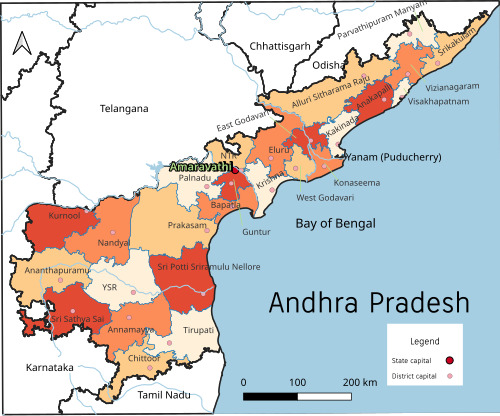
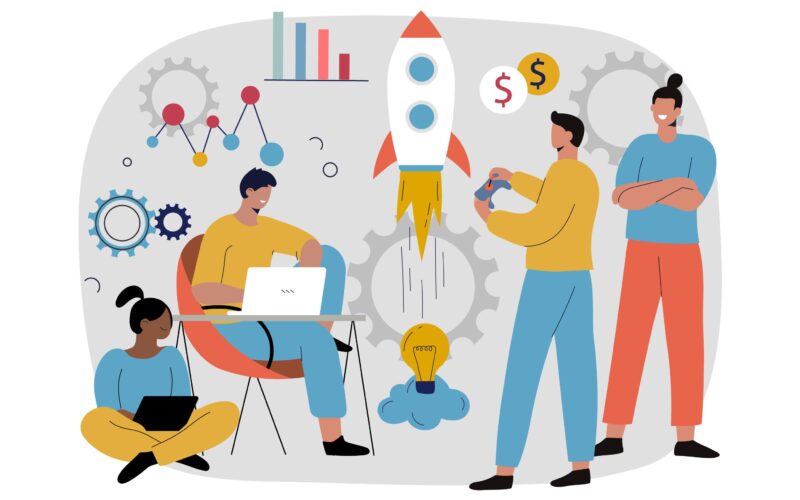
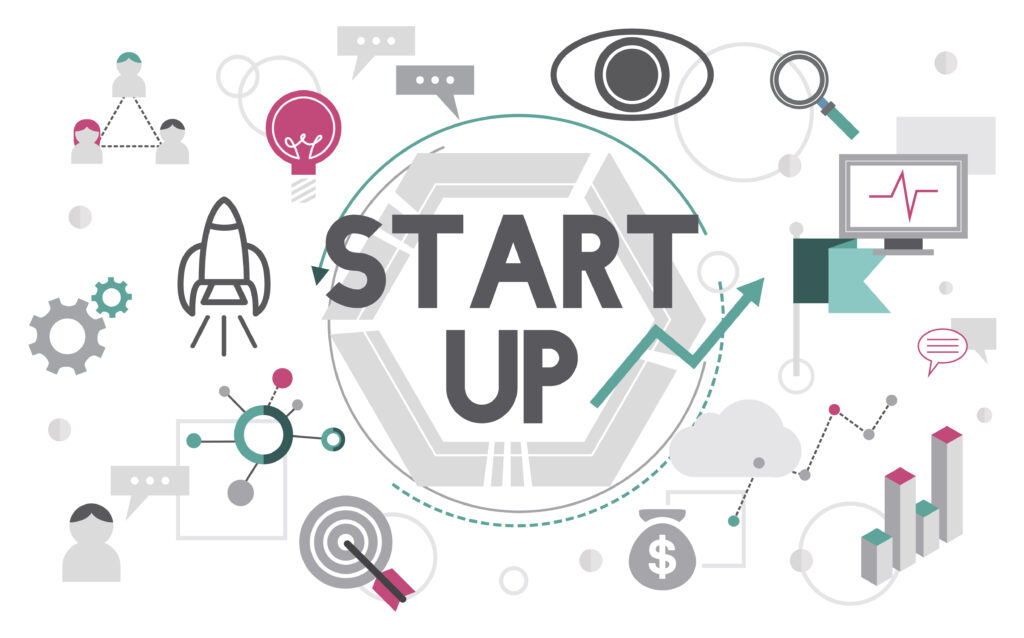
A startup is built to solve a problem in a new way, often using technology, innovation, or a disruptive business model.
Here’s the key thing we want to remember:
A startup is designed to scale even if it fails trying.
Startups usually:
- Focus on innovation or disruption
- Aim for rapid and large-scale growth
- Operate in uncertainty
- Attract angel investors or venture capital
- Delay profits to build users or market share
If your idea is about changing how something works, not just earning from it, you’re thinking like a startup founder.
Now Let’s Talk About MSME
Classification, not a business idea
This is where most people get confused.
MSME does not describe what you do it describes how big you are.
MSME stands for Micro, Small, and Medium Enterprises, a classification defined by the Government of India based on investment and annual turnover.
Here’s something important I want you to understand:
MSME is a legal and economic category not a vision.
- A startup can be registered as an MSME.
- A small business can be registered as an MSME.
- But MSME itself is not a type of entrepreneurship.
The purpose of MSME classification is to:
- Support employment generation
- Provide access to credit
- Offer subsidies and government schemes
- Strengthen the economy at the grassroots level
What Is a small business, then?
Stability, income, and control
A small business is the most traditional and reliable form of enterprise.
It exists for one primary reason:
To earn steady income and sustain the owner.
Small businesses usually:
- Serve local or regional markets
- Start generating profits early
- Have lower risk compared to startups
- Are funded through personal savings or bank loans
- Grow slowly and steadily
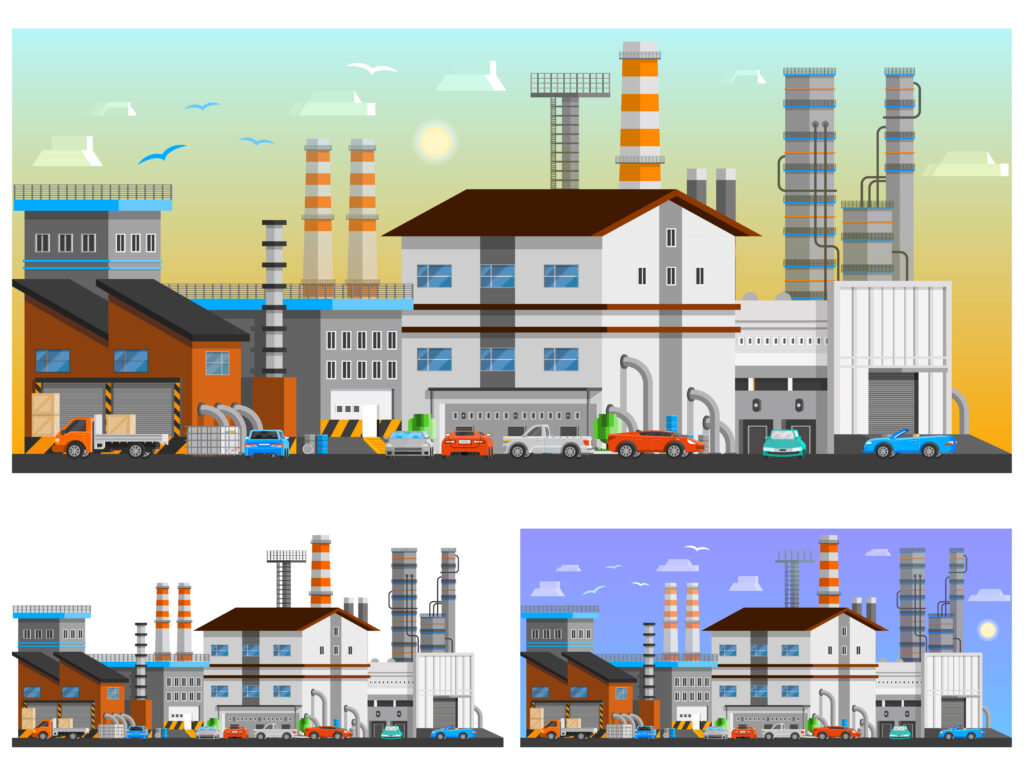
Examples are everywhere around you, retail shops, service centers, coaching institutes, and manufacturing units.
Running a successful small business is not a lesser achievement.
A Simple Comparison
Purpose
- Startup: Innovation and scale
- MSME: Economic classification
- Small Business: Stable income
Risk
- Startup: High
- MSME: Moderate
- Small Business: Low to moderate
Growth Style
- Startup: Rapid and aggressive
- MSME: Structured and policy-driven
- Small Business: Gradual and predictable
Profit Focus
- Startup: Long-term
- MSME: Balanced
- Small Business: Immediate
One Common Mistake We See Often
Many people rush to register as a startup because it sounds impressive.
But here’s the truth,
Not every business needs to be a startup and that’s perfectly okay.
If your goal is financial stability, independence, and consistency, a small business or MSME may serve you far better than chasing a high-risk startup dream.
So, What Should You Choose?
Ask yourself honestly:
- Do I want to innovate and scale, even if failure is possible? → Startup
- Do I want government support and structured growth? → MSME
- Do I want a steady income and full control? → Small Business
There’s no superior choice only the right choice for your mindset and life goals.

Final Thoughts
India’s economy is not built only by unicorn startups.
It is built by millions of MSMEs and small businesses that show up every day and keep things moving.
Understand the difference.
Choose consciously.
Build something that actually aligns with you.
References & Citations
- Ministry of Micro, Small and Medium Enterprises, Government of India – MSME Classification Guidelines
- MSME Development Act, 2006 (Government of India)
- Startup India Initiative – DPIIT Recognition Framework
- World Bank Reports on Small and Medium Enterprise Growth Models
- Ministry of Micro, Small and Medium Enterprises Official Portal, Government of India
- Ministry of Commerce and Industry Official Portal, Government of India