
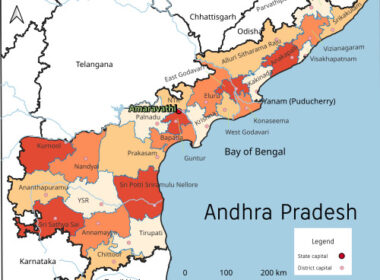

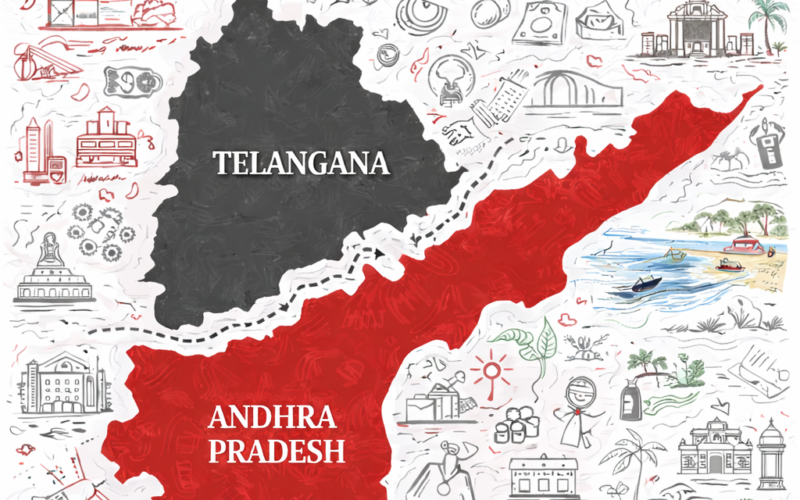
If you’ve ever wondered why Telangana and Andhra Pradesh were divided, you’re not alone.
This wasn’t a sudden political decision or a one-day protest that changed history. It was the result of decades of imbalance, broken promises, and a growing demand for dignity and fairness.
In this article, I’ll walk you through the story clearly and calmly, without noise or bias just the facts, the feelings, and the forces that led to one of India’s most debated state bifurcations.
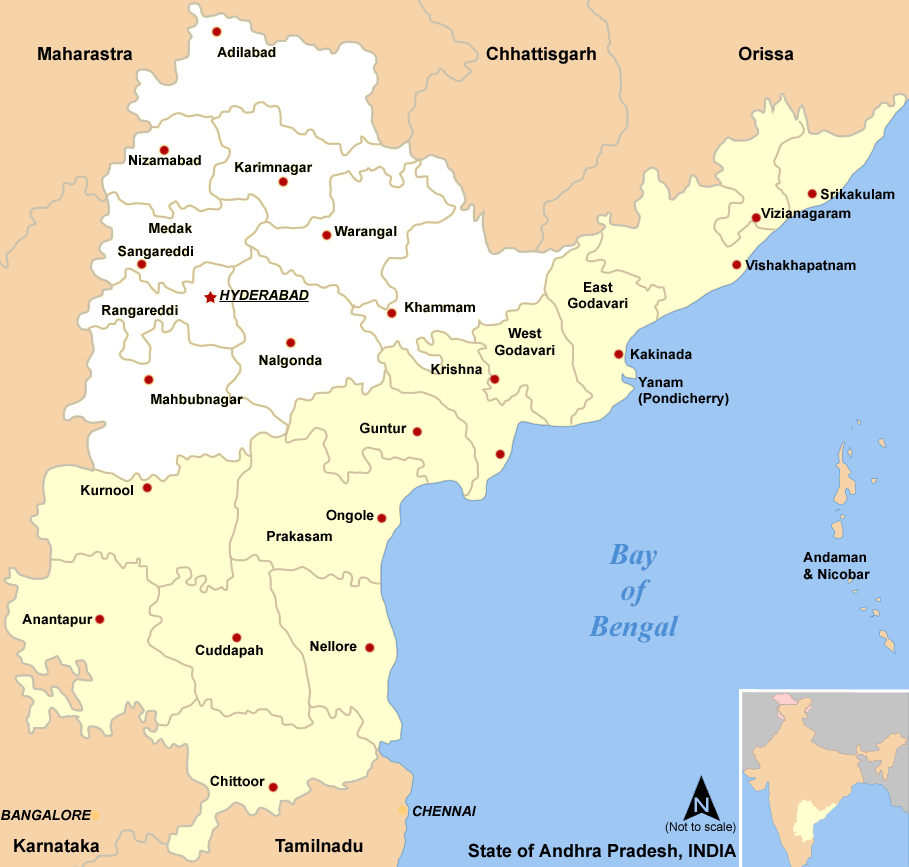
Before 1956: Telugu Regions Were Never One Unit
Before Independence, Telugu-speaking regions lived under very different systems:
- Telangana was part of the Hyderabad State, ruled by the Nizam
- Coastal Andhra & Rayalaseema were governed by the British Madras Presidency
This matters because administration, land laws, education systems, and development priorities were never the same. When these regions were later merged, they carried unequal foundations into a single state.
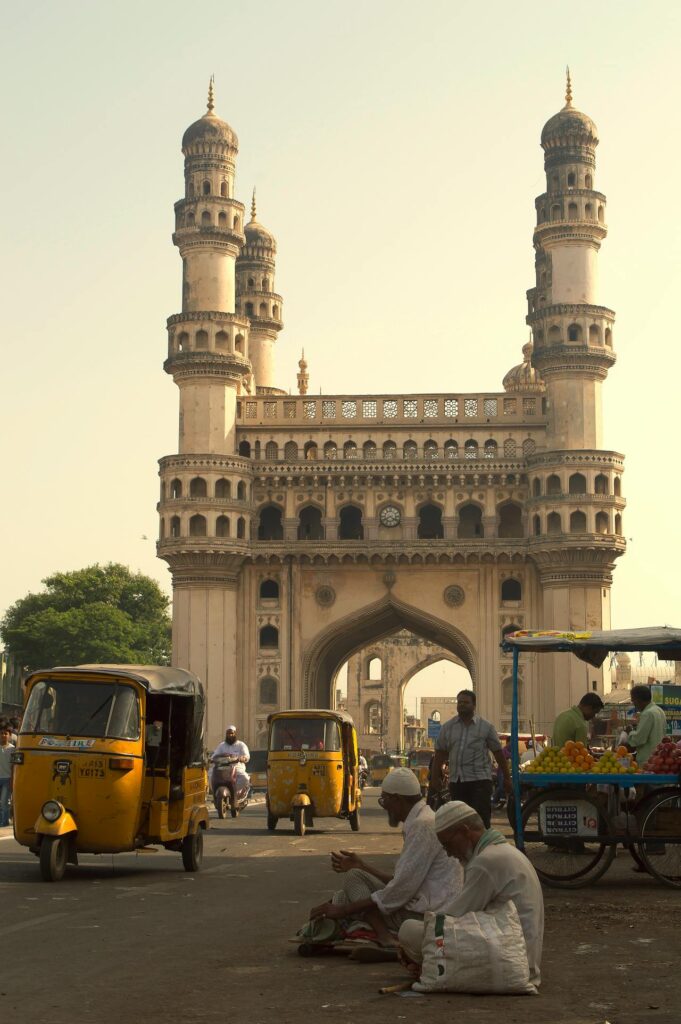
Formation of Andhra Pradesh (1956): Language Over Reality
In 1956, under the States Reorganisation Act, Andhra Pradesh was formed by uniting all Telugu-speaking regions.
The idea sounded simple: one language, one state.
But here’s the problem
linguistic unity was prioritized over socio-economic reality.
Administrative differences, resource gaps, and regional needs were acknowledged but not fully addressed. This is where the seeds of future conflict were planted.
The Gentlemen’s Agreement (1956): A Promise on Paper
To reassure Telangana, leaders signed the Gentlemen’s Agreement, which promised:
- Preference for local employment
- Separate budgetary safeguards
- Protection of irrigation and education
- Fair share in administration
As an author and observer, this is where I see the biggest turning point.
Because when promises exist only on paper, resentment grows silently.
Over time, most safeguards were diluted, ignored, or poorly enforced
and trust began to erode.
Roots of Discontent: What Telangana Experienced
From the early years of the unified state, people in Telangana noticed a pattern:
- Lower public investment
- Fewer irrigation projects
- Limited industrial growth
Despite Hyderabad and Telangana contributing significant state revenue, infrastructure and opportunities lagged behind.
This wasn’t just underdevelopment
many began to describe it as internal colonialism.

Economic Imbalance: Revenue Went One Way, Spending Another
Revenue vs Spending Gap
- Telangana generated strong revenue (Hyderabad, agriculture, minerals)
- A disproportionate share of spending flowed to Coastal Andhra
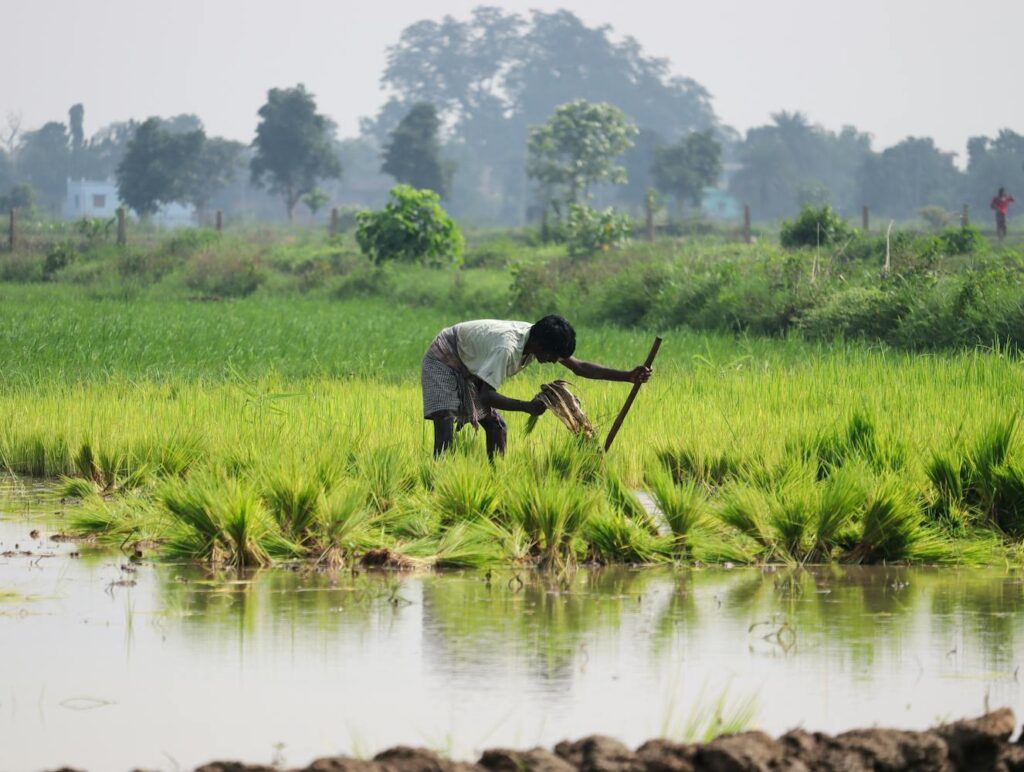
Irrigation Inequality
- Major projects favored Krishna–Godavari delta regions
- Telangana’s drought-prone districts stayed under-irrigated
For farmers, this wasn’t policy failure it was survival at stake.
Water Disputes: The Emotional Core of the Conflict
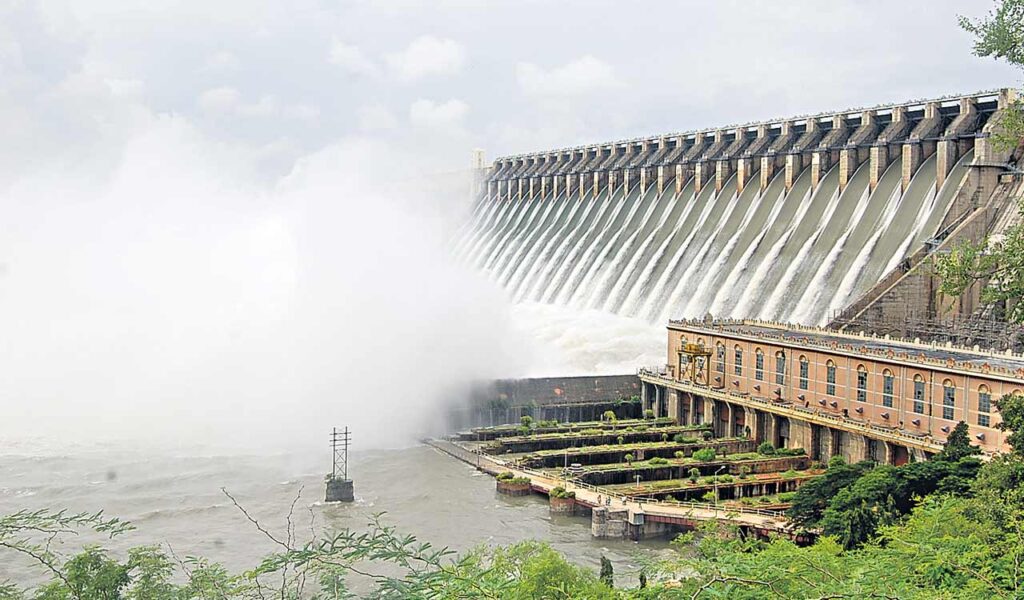
Water became the most emotionally charged issue.
- Telangana is upstream, yet received less water
- Canal control and allocations favored coastal regions
- Projects like Nagarjuna Sagar became symbols of injustice
When water the basis of life and livelihood feels unfairly controlled, movements stop being political and become personal.
Political Marginalization: Power Without Representation
Governance deepened the divide.
- Most Chief Ministers came from outside Telangana
- Bureaucracy was dominated by non-Telangana elites
- Local voices struggled to influence decisions
To many, governance felt distant, biased, and unresponsive weakening faith in the unified state.
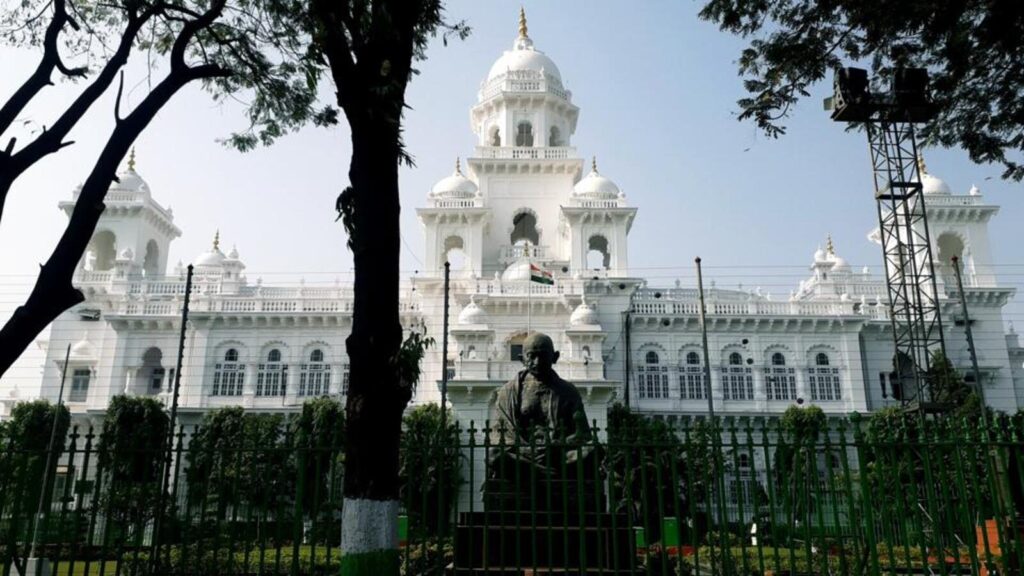
Cultural Identity: More Than Just Development
This wasn’t only about money or water.
Telangana has a distinct cultural identity:
- Unique dialect
- Folk traditions
- Festivals and social structures
When these were mocked or sidelined, the issue shifted from development to self-respect.
The movement became about dignity as much as governance.
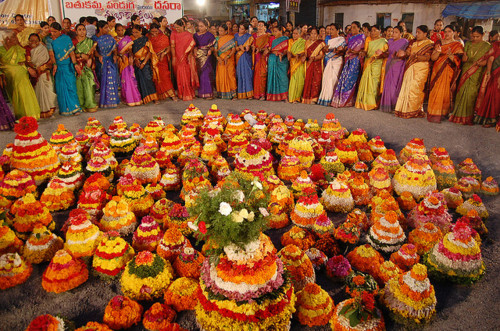
The Telangana Statehood Movement: A Democratic Uprising
The demand for a separate Telangana didn’t appear overnight.
- 1969 agitation
- Revived strongly in the 2000s
- Led by students, civil society, and political leadership
What stands out is this:
It was largely democratic, grassroots, and sustained.
Millions participated not for power but for fairness, identity, and justice.
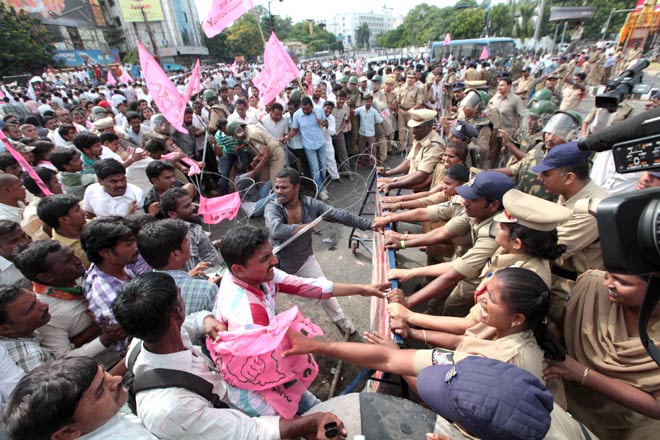
Formation of Telangana (2014): A Constitutional Resolution
After years of debate, Parliament passed the Andhra Pradesh Reorganisation Act, 2014.
What Changed:
- Telangana became India’s 29th state
- Hyderabad declared joint capital for 10 years
- Assets, debts, and institutions were divided
On 2 June 2014, Telangana officially came into existence.
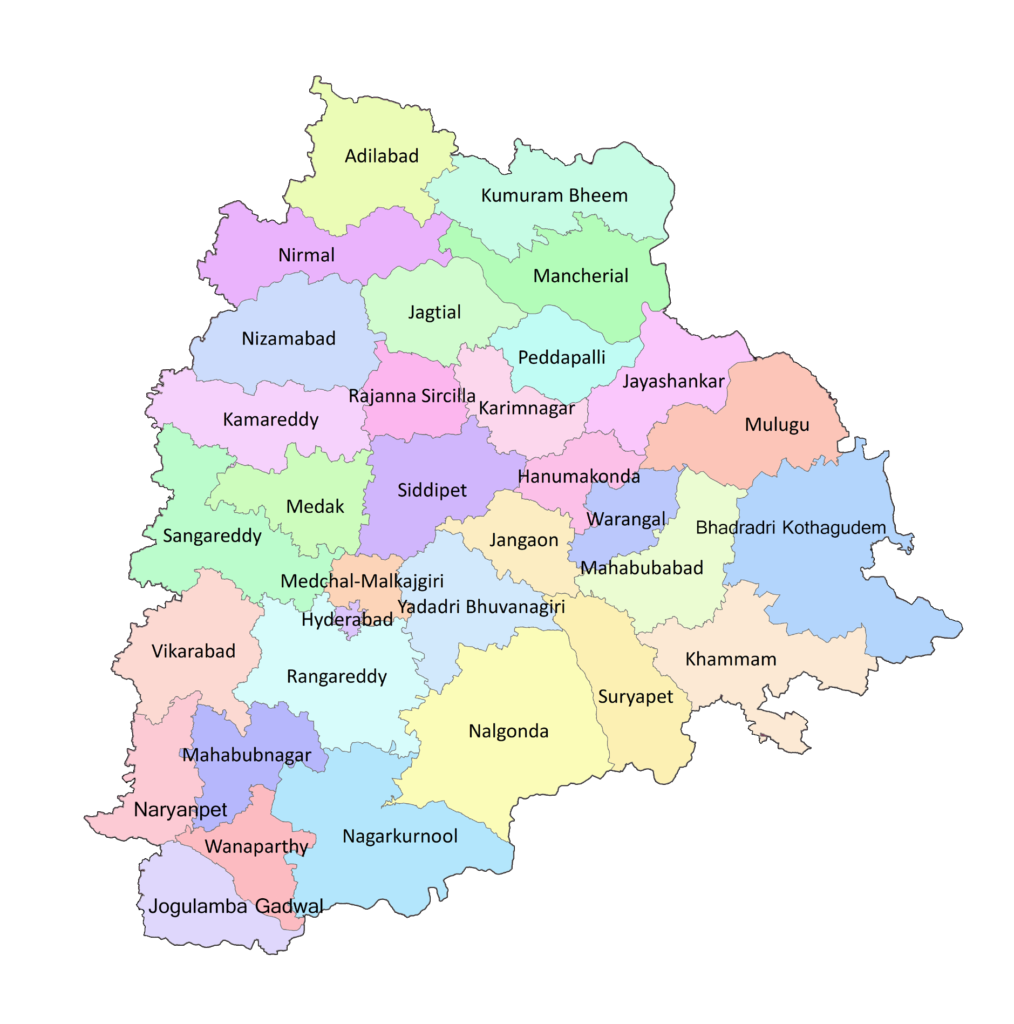
After the Division: Where Both States Stand
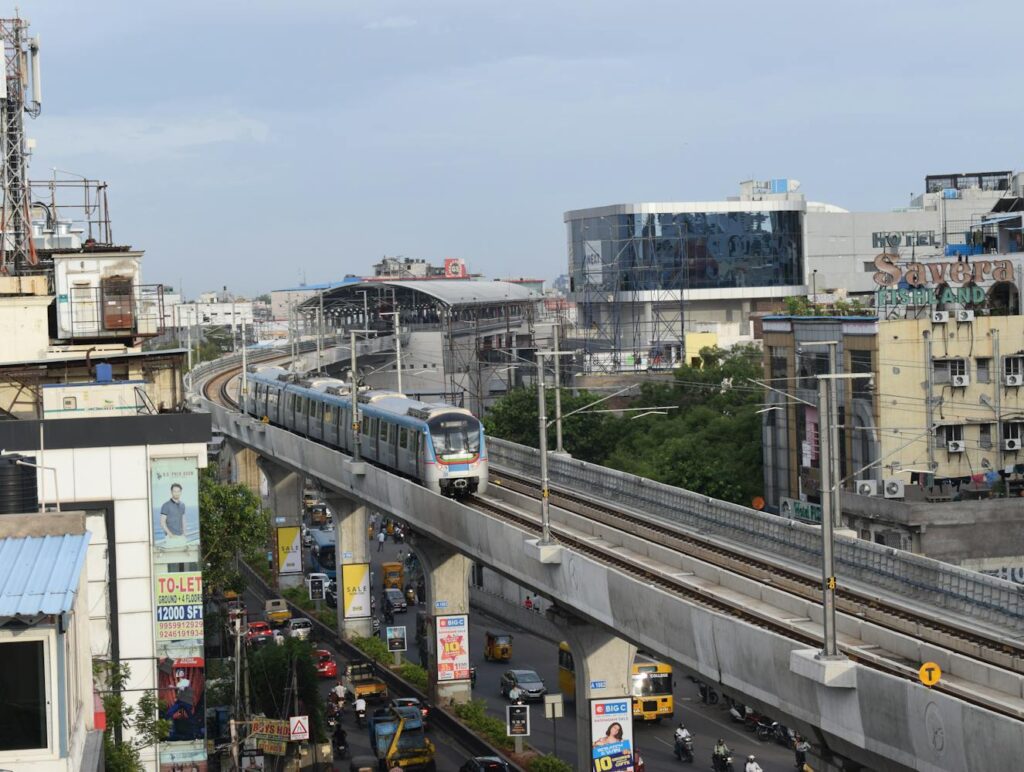
Telangana
- Focused investment in irrigation and welfare
- Faster decision-making
- Region-specific governance
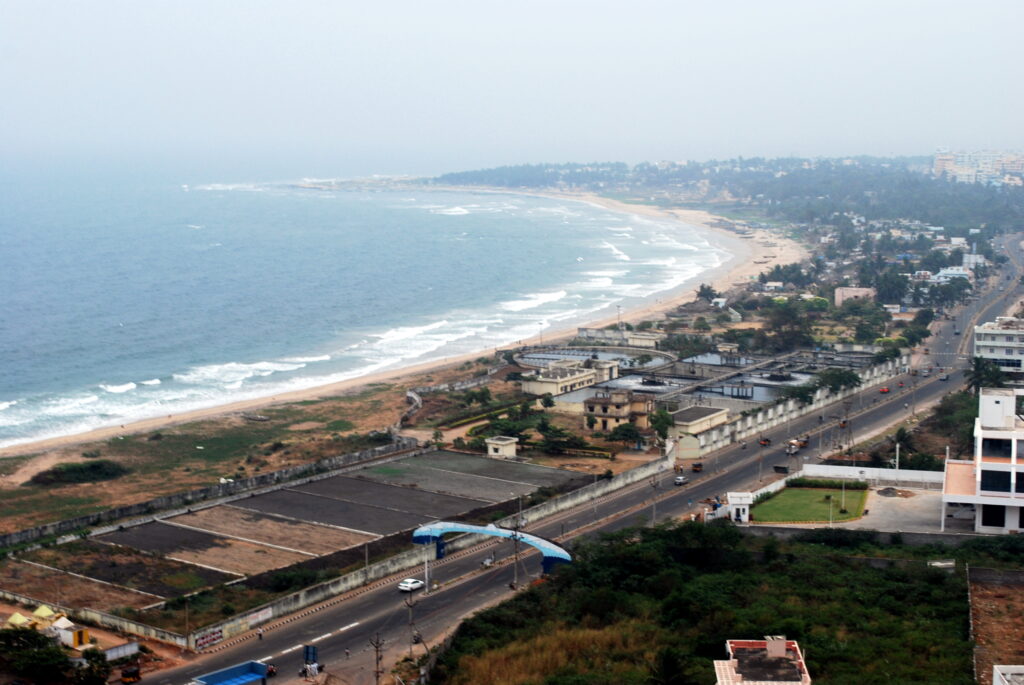
Andhra Pradesh
- Faced capital loss and restructuring
- Started rebuilding with decentralized development plans
Both states gained administrative clarity, even though challenges remain.
Final Takeaway: The Real Lesson of the Bifurcation
Let me be clear here.
The division of Telangana and Andhra Pradesh was not sudden, not emotional politics, and not anti-unity.
It was the outcome of:
- Historical inequality
- Economic imbalance
- Resource disputes
- Cultural assertion
- Democratic pressure
And it reinforces a core truth of Indian federalism:
Unity cannot survive without equity.
If we understand this division properly, we don’t weaken India
we understand how governance, identity, and justice shape it.
References & Further Reading
Economic Survey of Andhra Pradesh (pre-2014)
States Reorganisation Act, 1956
Andhra Pradesh Reorganisation Act, 2014
Justice Srikrishna Committee Report (2010)