



Introduction
In recent years, news about the Indian Rupee weakening against the US Dollar has become increasingly common. This naturally raises an important question:
If India is one of the world’s largest and fastest-growing economies, why does the Rupee keep falling against the Dollar?
And more importantly will this lead to inflation in India?
To understand this, we must first explore why the US Dollar dominates the global financial system.
Why Is the American Dollar the World’s Dominant Currency?

The Gold Standard Era
Before 1944, most countries followed the Gold Standard, meaning their currencies were backed by physical gold reserves. International trade was conducted by exchanging gold or currencies tied directly to gold.
However, World War II devastated global economies. Most countries lost their gold reserves and faced severe economic instability.
Bretton Woods Conference: A Turning Point
To rebuild the global economy, major nations met at the Bretton Woods Conference (1944). Two key global institutions were created:
- International Monetary Fund (IMF) – to maintain financial stability and assist countries during crises
- World Bank – to support long-term development and infrastructure
At this conference, the United States proposed a new system:
- All major currencies would be linked to the US Dollar
- The Dollar itself would be backed by gold
Since the US held nearly 75% of the world’s gold reserves, most countries accepted this arrangement.
Rise of the US Dollar
With this agreement, the US Dollar became the center of international trade. Countries began holding dollars as foreign reserves, and global trade transactions increasingly occurred in USD.
This system worked until the early 1970s.
Collapse of the Bretton Woods System
By the 1970s, the US faced high inflation and declining gold reserves. In 1971, then President Richard Nixon ended the Dollar’s convertibility to gold effectively dismantling the Bretton Woods system.
This move initially destabilized the US economy, forcing policymakers to find a new way to maintain global demand for the Dollar.
Emergence of the Petrodollar System
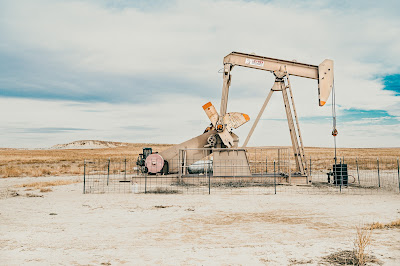
In 1974, the US reached a strategic agreement with Saudi Arabia:
- Oil would be traded only in US Dollars
- In return, the US would provide military protection and support
Soon after, similar agreements were made with OPEC.
This led to the birth of the Petrodollar system, ensuring continuous global demand for the Dollar since every country needs oil.
Why Is the Indian Rupee Falling?
Role of Foreign Exchange Reserves (Forex)
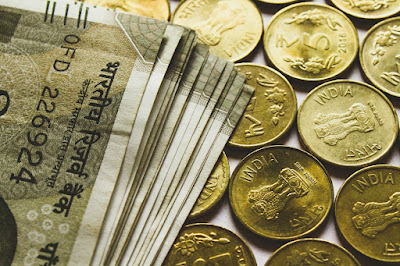
India’s foreign exchange reserves consist mainly of US Dollars, not Rupees. These reserves are used to:
- Pay for imports
- Repay foreign loans
- Stabilize the currency
When forex reserves decline, the Rupee comes under pressure.
Impact of Global Crises
COVID-19 Pandemic
- Reduced exports and trade
- Business slowdowns and capital outflows
Russia–Ukraine War

- Sharp rise in crude oil prices
- India imports over 85% of its crude oil
- Increased import bills weakened the Rupee
Other Key Reasons for Rupee Depreciation
- Higher imports than exports (trade deficit)
- Rising interest rates in the US (capital moves to Dollar assets)
- Global investors preferring safer currencies
- Increased supply of Rupees in the market
Pros and Cons of a Weak Rupee
Advantages
- Boosts exports
- Attracts foreign investment
- Higher value of remittances from abroad
Disadvantages
- Imports become costlier
- Higher fuel and commodity prices
- Increased inflation risk
- Higher cost of repaying foreign debt
Is India Facing Inflation?
A falling Rupee can contribute to inflation, especially through:

- Higher fuel prices
- Costlier imports
- Increased production costs
However, inflation depends on multiple factors, not currency value alone.
RBI’s Role in Controlling Inflation
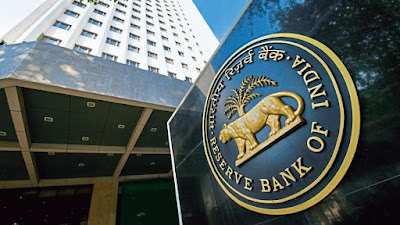
The Reserve Bank of India (RBI) actively manages currency volatility and inflation by:
- Selling Dollars to stabilize the Rupee
- Adjusting interest rates
- Managing liquidity in the market
- Encouraging Rupee-based international trade
Recent government measures such as reducing excise duties on fuel and implementing GST reforms have also helped ease inflationary pressure.
Conclusion
The fall of the Indian Rupee is not a sign of economic failure, but a result of global dynamics, trade dependencies, and currency systems shaped decades ago.
India’s long-term growth depends on:
- Increasing exports
- Reducing import dependence
- Strengthening domestic manufacturing
- Attracting sustainable investments
With prudent policymaking by the RBI and government, India remains well-positioned to manage inflation and continue its growth journey.